Understanding Site Collection: A Comprehensive Guide
In the digital age, where information is vast and easily accessible, the organization of data and content has become increasingly important. One of the key concepts in this domain is site collection. A site collection is a group of websites that share common functionality, administration, and a single configuration database. This article delves into the intricacies of site collections, their benefits, and how they can be effectively managed.
What is a Site Collection?
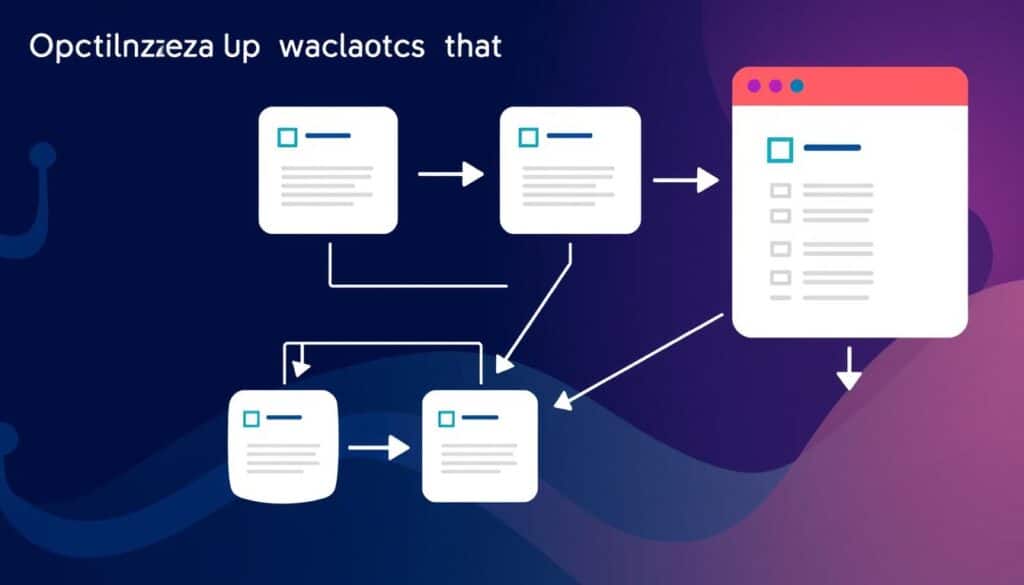
A site collection is a hierarchical group of websites that are managed as a single unit. Each site collection has its own top-level site, which serves as the root of the collection. This top-level site can have multiple subsites, each of which can have its own subsites, forming a tree-like structure. Site collections are a fundamental concept in content management systems (CMS) and are widely used in platforms like SharePoint, a popular collaboration and document management tool.
Key Features of Site Collections
- Centralized Administration: Site collections allow for centralized management of multiple websites, making it easier to apply consistent policies, permissions, and settings across the entire collection.
- Shared Resources: Resources such as document libraries, lists, and site columns can be shared across all sites within a site collection, promoting consistency and reducing redundancy.
- Scalability: Site collections can be scaled to accommodate growing content and user bases, ensuring that the system remains efficient and responsive.
- Customization: Each site within a collection can be customized to meet specific needs, while still adhering to the overall structure and policies of the site collection.
Benefits of Using Site Collections
Enhanced Collaboration
One of the primary benefits of site collections is the ability to foster collaboration among teams. By providing a centralized location for documents, discussions, and tasks, site collections enable team members to work together more effectively. For example, a project management site collection can include subsites for different phases of a project, each with its own set of documents and tasks.
Improved Content Management
Site collections offer robust content management capabilities. Administrators can easily manage content across multiple sites, ensuring that information is up-to-date and consistent. Features such as version control, content approval workflows, and content types help maintain the integrity and quality of the content.
Streamlined Administration
Managing a large number of websites can be complex and time-consuming. Site collections simplify this process by allowing administrators to apply settings and policies at the collection level, which are then inherited by all subsites. This reduces the administrative burden and ensures that all sites adhere to the same standards.
Flexibility and Customization
While site collections provide a structured framework, they also offer flexibility. Each site within a collection can be customized to meet the specific needs of its users. For example, a marketing team might need a site with a different layout and set of features compared to an IT team. Site collections accommodate these differences while maintaining a cohesive structure.
Creating and Managing Site Collections
Creating a Site Collection
Creating a site collection involves several steps, which can vary depending on the platform being used. Here is a general outline of the process:
- Determine the Purpose: Define the purpose of the site collection and the types of sites it will contain.
- Choose a Template: Select a template that best fits the needs of the site collection. Common templates include Team Site, Communication Site, and Project Site.
- Set Permissions: Define the user groups and their permissions. This includes setting up administrators, contributors, and visitors.
- Configure Settings: Customize the settings for the site collection, such as the site URL, title, and description.
- Create Subsites: Add subsites as needed to organize content and functionality.
Managing a Site Collection
Once a site collection is created, it requires ongoing management to ensure it remains effective and efficient. Here are some key management tasks:
- Content Management: Regularly review and update content to keep it relevant and accurate.
- User Management: Www.주소주라.com Monitor and manage user access and permissions to ensure security and compliance.
- Performance Monitoring: Track the performance of the site collection to identify and address any issues.
- Backup and Recovery: Implement a backup and recovery strategy to protect against data loss.
- User Training: Provide training and support to users to help them make the most of the site collection.
Best Practices for Site Collections
Plan Thoroughly
Before creating a site collection, it is essential to plan thoroughly. This includes defining the purpose, scope, and structure of the collection. A well-planned site collection is easier to manage and more effective in meeting the needs of its users.
Use Templates Wisely
Templates can save time and ensure consistency, but they should be used wisely. Choose templates that align with your needs and customize them as necessary to meet specific requirements.
Implement Strong Governance
Governance is crucial for the successful management of site collections. Establish clear policies and procedures for content creation, user management, and site maintenance. Regularly review and update these policies to ensure they remain relevant.
Regularly Review and Optimize
Site collections should be regularly reviewed and optimized to ensure they remain effective. This includes removing unused sites, updating content, and improving performance.
FAQs
What is the difference between a site collection and a site?
A site collection is a group of websites that share common functionality and administration, while a site is a single website within the collection. Each site collection has a top-level site, and this site can have multiple subsites.
Can a site collection have multiple top-level sites?
No, a site collection has only one top-level site. However, this top-level site can have multiple subsites, which can, in turn, have their own subsites.
How do I create a new site within a site collection?
To create a new site within a site collection, navigate to the top-level site, go to the site settings, and select "New Subsite" or "New Site" (depending on the platform). From there, you can choose a template, set permissions, and configure other settings.
Can I move a site to a different site collection?
Yes, it is possible to move a site to a different site collection, but the process can be complex and may require administrative privileges. It is often easier to recreate the site in the new collection and migrate the content.
How do I delete a site collection?
Deleting a site collection is a significant action and should be done with caution. To delete a site collection, you typically need administrative privileges. Navigate to the site collection settings, and look for an option to delete the site collection. Be aware that this action cannot be undone, and all data within the site collection will be permanently deleted.
Site collections are a powerful tool for organizing and managing websites. They offer numerous benefits, including enhanced collaboration, improved content management, streamlined administration, and flexibility. By understanding the key features and best practices of site collections, organizations can effectively leverage them to meet their digital needs. Whether you are a small business or a large enterprise, site collections can help you achieve your goals and drive success in the digital landscape.
Additional Resources
- SharePoint Documentation: For detailed information on site collections in SharePoint, visit the official Microsoft documentation.
- Community Forums: Engage with other users and administrators in community forums to share knowledge and best practices.
- Training and Support: Consider enrolling in training programs or seeking support from experts to enhance your skills in managing site collections.
By following the guidelines and best practices outlined in this article, you can create and manage site collections that are efficient, effective, and aligned with your organizational goals.